People ask what a co-creation workshop is and how does it differs from a normal art workshop?
When developing a workshop there are numerous different types and factors at play. When I began this project I realised early on that I would have to spend some time researching the various types and ways of workshopping.
To follow I will describe three workshop types and tell you which I chose to engage with and why.
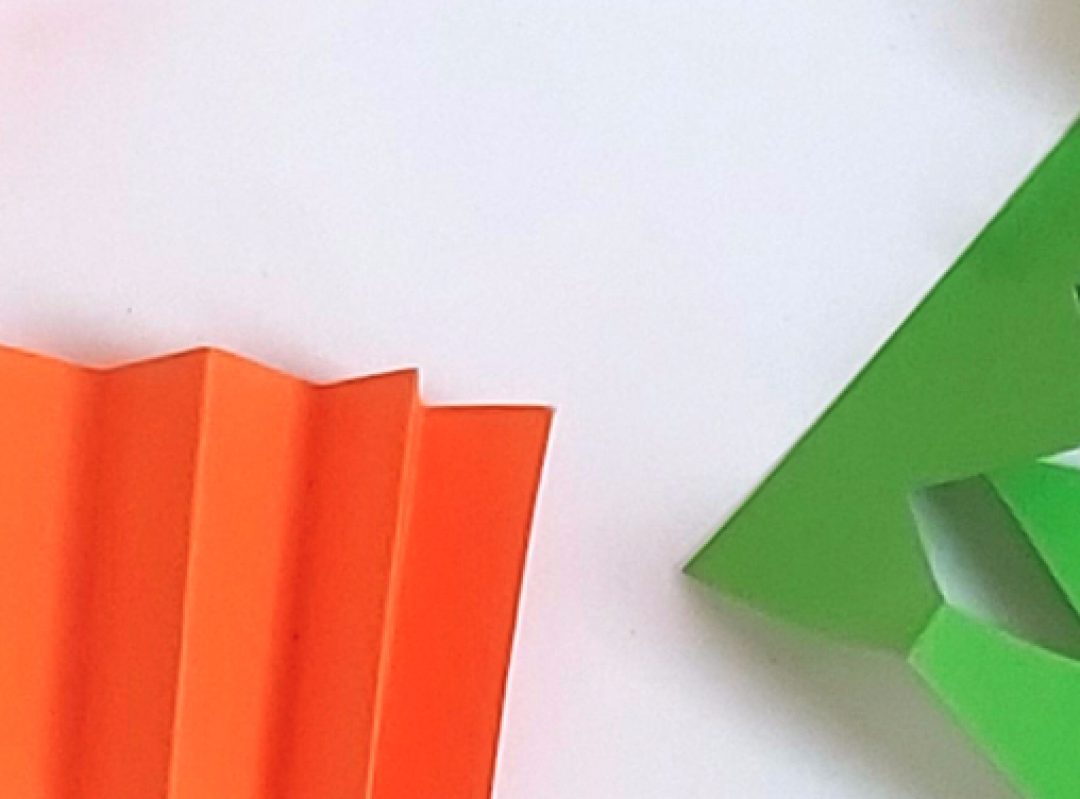
It seem that the most common workshop type is the fixed outcome one. This type of workshop would have a fixed idea on what the outcomes would be and it would normally be led by an artist facilitator. At the outset the artist facilitator would explain the project, show some examples of the desired outcome and demonstrate to the workshop participants the different skills and steps needed to create the final piece.
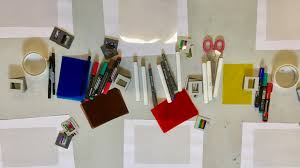
When I began working with the clients in Rose Cottage we didn’t know each other very well. Many of the clients hadn’t engaged with art for many years if ever. So I decided to use aspects of this workshop format in order to introduce myself to the clients and allow us all to get to know each other. Instead of delving straight into the co-creation processes these first two workshops in Rose Cottage began the art working journey with ease and simplicity. See the blog post on workshop 1 & 2 for more information.
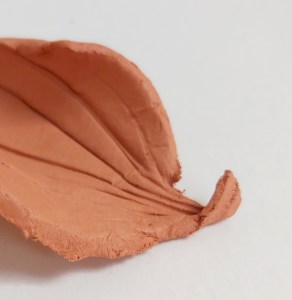
The second type of workshop I would like to talk about is the collaborative workshop, which again would be facilitated by an artist/s. In the main the aim of these workshops would be to work together/ collaborate with the workshop participants to create individual or a group project outcome. This is a very popular way of working with groups in community settings who share a common history or interests. The aim is to ensure that the drive behind the ideas, art process and outputs come more from the participants than the artist, who’s role is more to offer guidance and assistance with the necessary art process, skills and support in the development of the workshop outcomes.
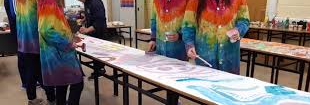
Lastly but by no means least is the Co-creation workshop the main area of focus for this project. Co-creating is a cutting edge and exciting way of collaborating with a group of people. It is a new initiative based on significant research that puts the client in control of the art making process. Each workshop participant including the artist would have an equal role in the workshop and outcomes.
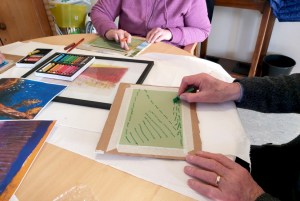
Co-creating creates a safe space where participants can explore the joy of a material, colour or texture, creating art in the moment with no fixed idea or a designated outcome. The aim of bringing co-creation art sessions to Rose Cottage was to offer the clients an opportunity to express themselves in a non-clinical, supportive, community setting.
In further blog posts you can read more about how the development of the remaining six workshops in Rose Cottage drew from the processes of co-creation.

 Art and Dementia projects