
Artistic inspiration:
When I thought about which artists I could draw on for inspiration for this particular workshop my mind went straight to Ernesto Neto. A favorite contemporary artist of mine for years he was born in 1964 in Rio de Janeiro and continues to live and work in Brazil.

Prisma Branco
2008
polyamide and glass beads
Since the mid-1990s, Ernesto Neto has produced an influential body of work that explores constructions of social space and the natural world by inviting physical interaction and sensory experience. Drawing from Biomorphism and minimalist sculpture, along with Neo-concretism and other Brazilian vanguard movements of the 1960s & 70s, the artist both references and incorporates organic shapes and materials – spices, sand and shells among them—that engage all five senses, producing a new type of sensory perception that renegotiates boundaries between artwork and viewer, the organic and manmade, the natural, spiritual and social worlds.
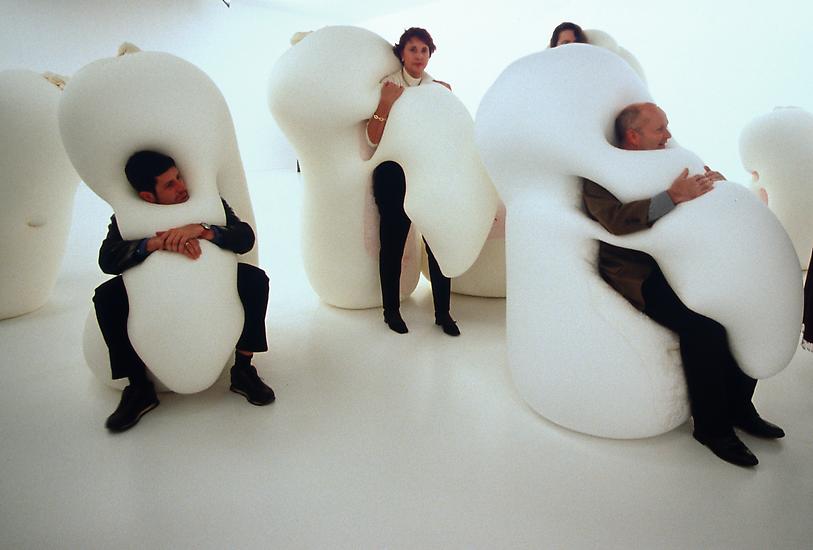
Humanoids Family,2001
polyamide fabric, velvet, lavender, styrofoam
6 elements, dimensions variable
Space Makers and Room Shakers, 2018
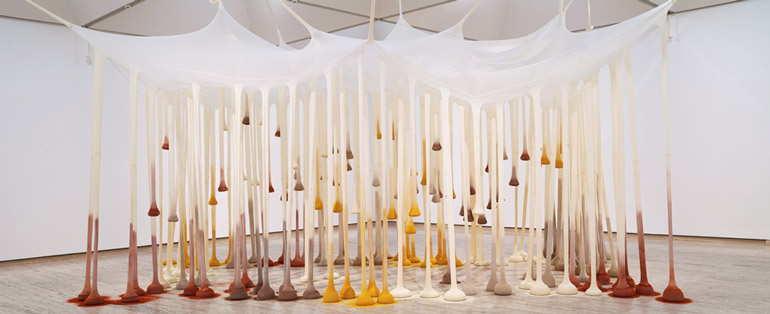
Ernesto Neto made a large sculpture that you can smell before you see — a stretchy shelter filled with the following spices: cloves, tumeric, cumin, paprika, black pepper and fenugreek.
The body and its senses are integral to Neto’s work; his installations stretch the membrane that separates art and life. Neto’s use of transparent elastic fabric describes the tension of spaces he invades while anthropomorphising architecture. Vast masses of fragrant spice swell the fabric in voluptuous, almost bodily, forms that fill the gallery space and our olfactory organs with its aromatic intensity. Unlike vision, smell entails the physical invasion of the body by the scent’s particles. In this way the sensations evoked by Neto’s spice works are involuntary and almost instinctive.
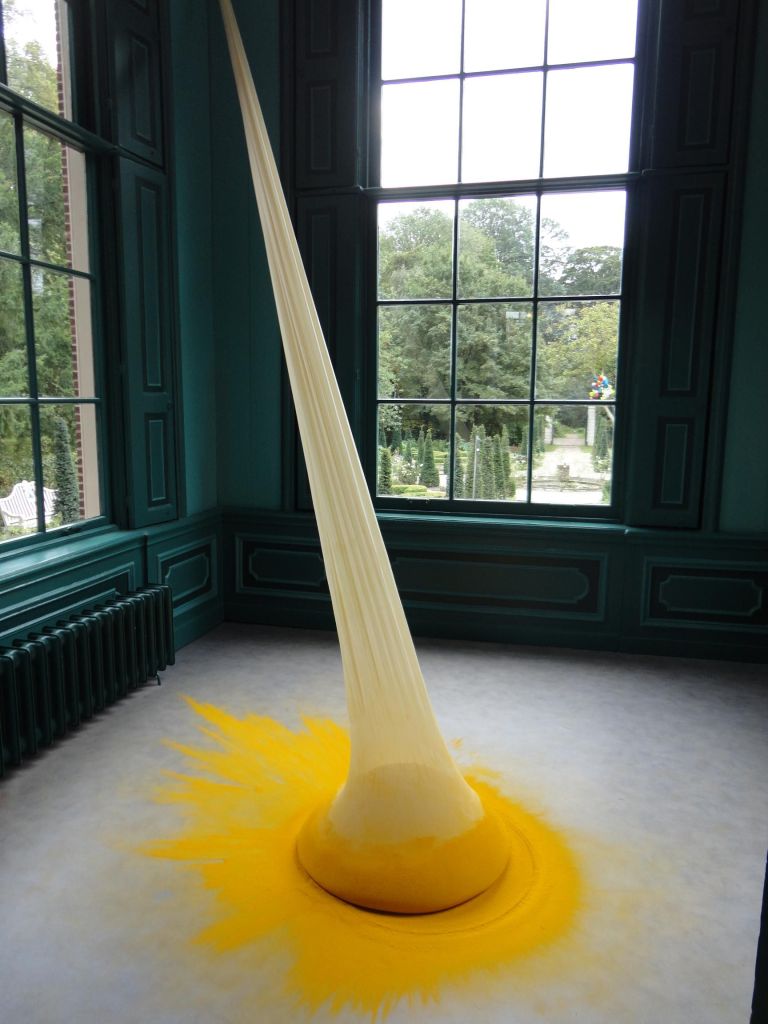
The piece I chose for the discussion with the clients in Rose Cottage is PAFF (turmeric): see image below
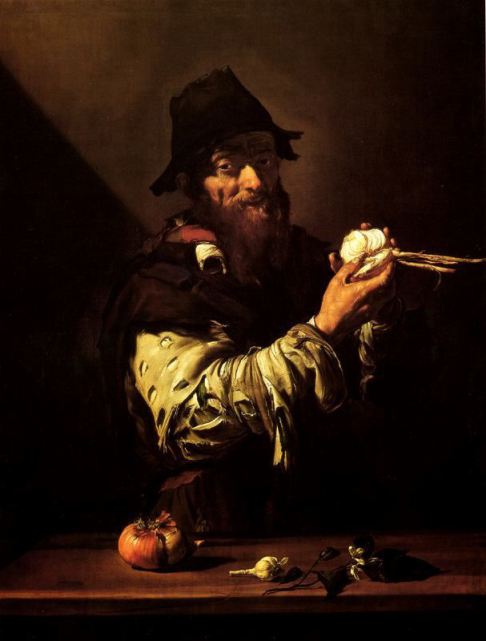
Lastly when I was looking for a more traditional image to introduce to the clients I came across José de Ribera’s slightly earlier series of five paintings on the senses that are too readily forgotten. The Allegory of Smell (1615-16), most appropriate for this discussion is a much simpler painting, focussing on the more commonplace and less pictorial onion and garlic, and perhaps the equally pungent odour of the rough and tattered man flourishing the cut onion.
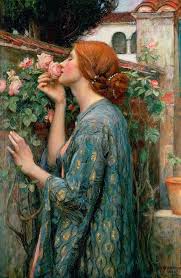
In the end I chose the painting entitled The Soul of the Rose (1908) by John William Waterhouse as I thought I was a well executed image that represented the feeling of joy one gets when smelling a beautiful rose. Many of the clients in Rose Cottage enjoy gardening and talked fondly of their flowers so I thought this would be an interesting connection for them.
Workshops kindly funded by the Adelaide Health Foundation, Community Health Initiative Scheme 2019
Supported by The Alzheimer’s Society of Ireland. Special thanks to Alan Carrick, Mary Mooney, Silva Schwer and all the staff, clients and friends of Rose Cottage.

 Art and Dementia projects