
Research behind the inspiration:
For this workshop I decided to engage with the senses, specifically the sense of smell. For this reason I did some research on the area of Olfactory art: To follow are some description of artists and their artworks that I came across on Wikipedia.
In 1938, the poet Benjamin Péret roasted coffee behind screens at the Exposition Internationale du Surréalisme which was orchestrated by Marcel Duchamp, and was possibly one of the first true examples of olfactory art.

A series of chess sets where the pieces could be distinguished only by scent were made by Takako Saito in 1965. Spice Chess and Smell Chess relied on the use of spices or scented liquids in the pieces. In Spice Chess, the black king was scented with a safetida, the black queen with cayenne, and the black bishops with cumin. The white pieces included cinnamon pawns,nutmeg rooks, ginger knights and an anise white queen.
In 1978, the Belgian artist Guy Bleus wrote the olfactory manifesto The Thrill of Working with Odours in which he deplores the lack of interest in scents in visual arts. Subsequently he created smell paintings, perfumed objects, aromatic installations and olfactory performances. During his performance Saint Picasso in Brussels, Plan K – June 1980, he sprayed a mist of fragrances which he had collected in Grasse and Vallauris over the audience and finally wrote with burning glue the title ‘Saint Picasso’ on a wall of the theater.
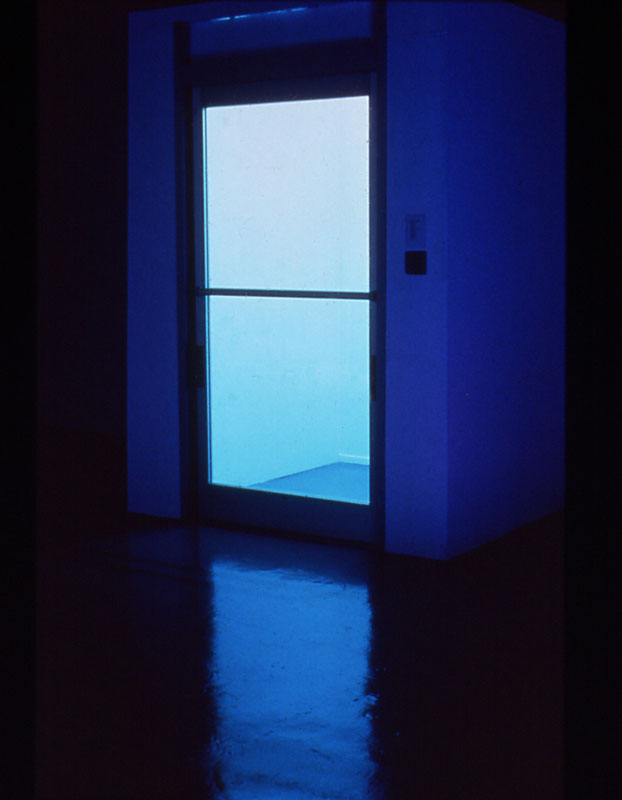
Self-Portrait in Scent, Sketch no. 1 was a 1994 exhibit by Clara Ursitti at The Centre for Contemporary Arts in Glasgow, Scotland. It consisted of a small, specially constructed room outfitted with motion sensors and scent dispensers.
Green Aria: A Scent Opera was an exhibit by Christophe Laudamiel at the Guggenheim that incorporated both over two dozen fragrances pumped through special “scent microphones” to 148 seats, accompanied by music. Some scents were intended to invoke natural fragrances, while others were described as “Industrial” or “Absolute Zero”.
Sillage is an ongoing olfactory public artwork by Brian Goeltzenleuchter in which the artist asks a city’s residents to name smells associated with different regions of the city. He then translates the responses into bottled fragrances representing each region. The project culminates in an event at an art museum during which visitors are sprayed with the scent of their neighborhood and
Workshops kindly funded by the Adelaide Health Foundation, Community Health Initiative Scheme 2019
Supported by The Alzheimer’s Society of Ireland. Special thanks to Alan Carrick, Mary Mooney, Silva Schwer and all the staff, clients and friends of Rose Cottage.

 Art and Dementia projects